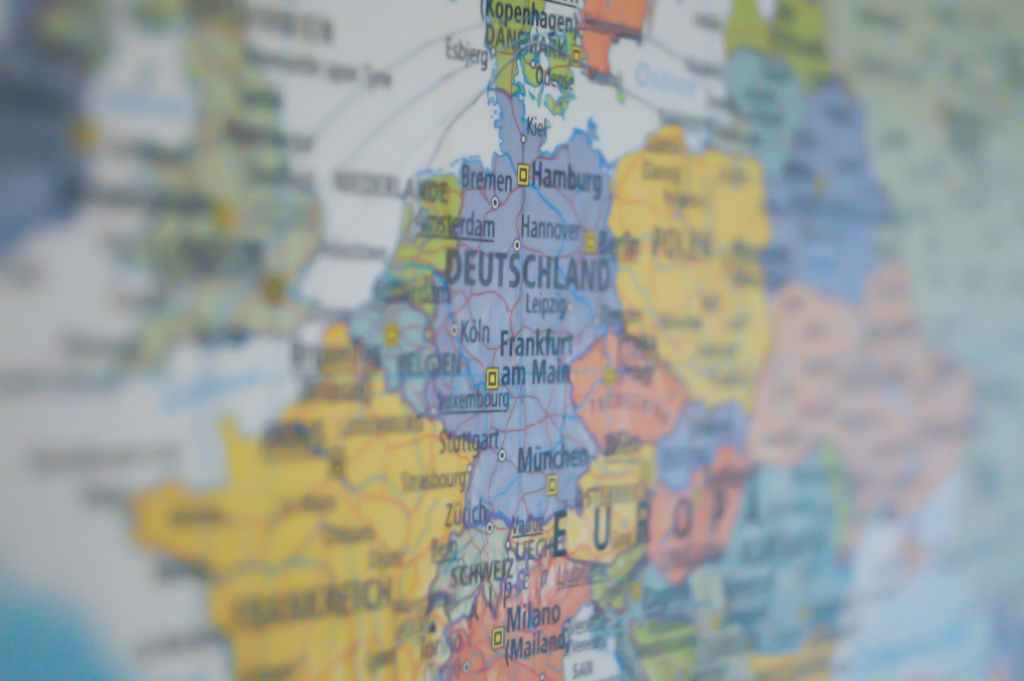
A country is a concept that is based on many factors decided by humans through the time. Since it’s man-made, it means that it could also change with time from many perspectives, because humans change, generations change, therefore governments also change.
To answer this question, we must understand it first.
What makes a country?
A country is a geographic and political entity that is typically characterized by a defined territory, a permanent population, a government, and the ability to engage in international relations.
This means: first there should be land. In this land live a certain population who share the same culture, language, and traditions, and all live respectfully together under the same laws. These people need to have a higher ruling system to govern the policies and ensure a good life in this land, under these laws, and represent the people internationally; This is the government.
It’s important to know that the concept of a country can be subject to different interpretations due to many factors like political disputes or non-recognized territories.
Shortly explained: the acknowledgment of a country’s sovereignty can vary among different nations and international organizations.
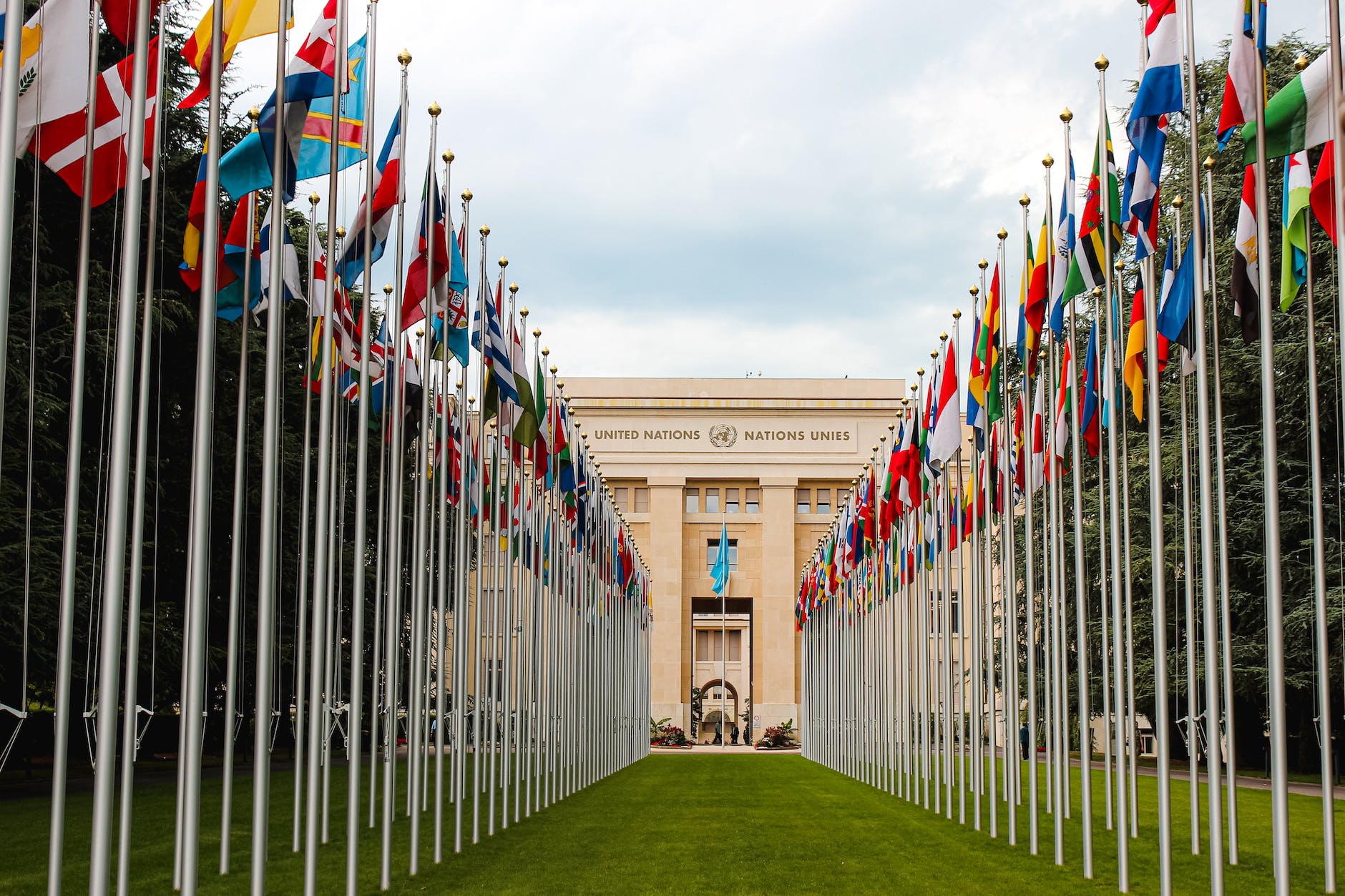
After the second world war, the aftermath was cruel and the world was left with much destruction in it. That’s when the nations decided to come together and create the United Nations Organisation. The main role of the UN is to promote international peace and solve political disputes diplomatically, avoiding war and human rights violence.
Today, there are 193 members of the UN, which means there are 193 fully official countries in the world.
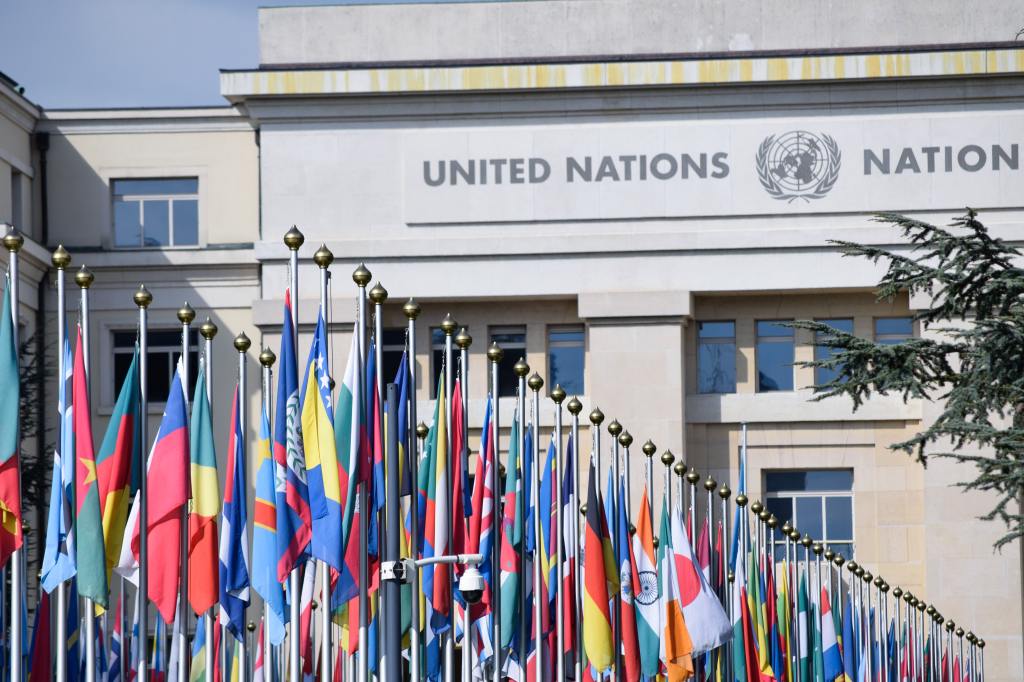
What does fully official mean?
It works by voting. A country should be voted for its acceptance in the UN to be a member.
Some countries as we all know, have more power than others. Here’s the most important thing about it, there are five permanent members in the UN :
- The United States of America
- China
- Russia
- France
- The United Kingdom
These five countries have a special power called the ‘Veto’. For a decision to be officially announced, all these five should confirm. In case only one country uses the Veto and doesn’t agree with the discussed matter, then the case is automatically dropped.
This is why some countries are still not members of the UN.
On the other side, there are countries like The Holy See (The Vatican) and Switzerland, who chose to remain neutral and not be full members of the UN. However, they are still observant participants in some activities.

 Discover the world
Leave a comment